
UPS Efficiency Table: Read by load range, not by a single rated value
UPS efficiency may vary depending on the load level. Ensure that the comparison sequence includes the same load point, measurement conditions, and expected operating load.
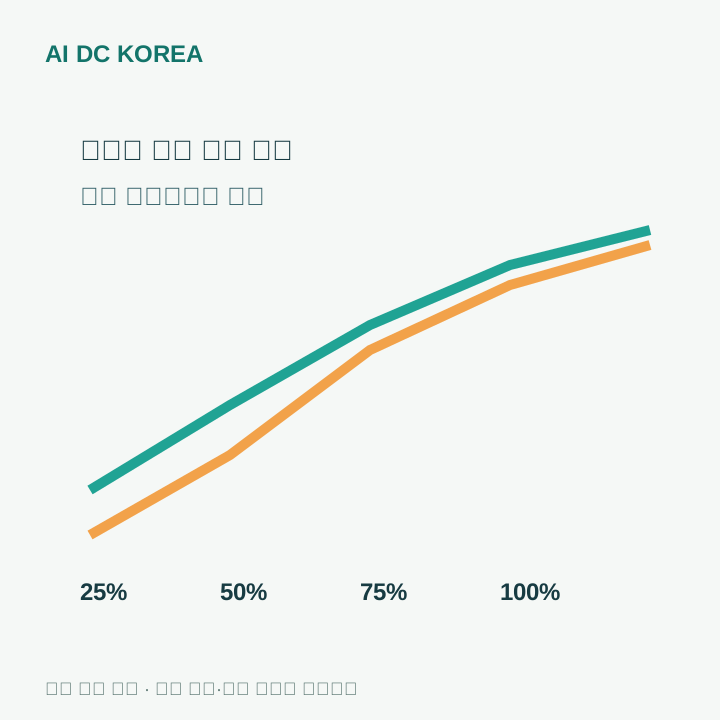
We prioritize the operating point over efficiency by one unit.
If you look at just the efficiency column in the UPS specification table, it may seem like the two products are easily comparable. However, UPS efficiency can vary depending on the load level.
Comparisons are made within the same load range.
First, calculate the load factor by expressing the expected IT load and the UPS rated capacity in the same unit. Next, compare the efficiency of the two products within the same load range. Finally, verify that the measurement mode and power quality conditions are the same.
We consider both partial load and expansion plans together.
Even with high rated efficiency, actual performance may differ from expectations if the system remains in a low-load range for an extended period. The feasibility of adding modules depends on evaluating the initial capacity in relation to future load demand.
What this article does not cover
This article is not a purchase recommendation or a guarantee of cost savings; rather, it outlines the order in which to read specification sheets. The final design must take into account load profiles, redundancy, and power quality requirements.
Comparison table to be filled out manually
| Items to Verify | Information to be recorded |
|---|---|
| Estimated Load | Initial, average, and peak loads and units |
| UPS Rated Capacity | Rated capacity in the same unit |
| Efficiency Points | Identical load points (e.g., 25%, 50%, 75%, 100%) |
| Test Conditions | Operating Modes and Power Quality Conditions |
Blank fields indicate “unverified,” not “0” or “verified.”
If you have prepared the public materials, please begin the consultation.
Please provide the link to the original source, the reference date, and any questions you have. KakaoTalk support is available daily from 9:00 AM to 6:00 PM. Please note that opening the chat window is different from submitting an actual inquiry.